TL;DR: An INCI list is the officially mandated ingredient list on your skincare. The first five entries usually make up more than 80 % of the product. Once you understand the order and recognise a few key terms, you can judge in under a minute whether a product suits your skin — without being dazzled by marketing promises.
Why the back of the pack often tells you more than the front
The front of a skincare product is full of big words: "anti-ageing", "rich care", "with hyaluronic acid". But these claims only tell part of the story. What's actually inside the tube is on the back — in a small, often hard-to-read list that starts with "Ingredients:" or "INCI:".
INCI stands for International Nomenclature of Cosmetic Ingredients. This uniform standard has been mandatory in the EU since 1997, ensuring that the same plant, the same oil, the same active ingredient carries the same name on a tube in Munich as on a tube in Lisbon. The goal: transparency for you — even if the Latin names feel off-putting at first.
Once you understand how this list is built, something shifts: you no longer have to blindly trust an advertising claim. You can check for yourself whether "with highly concentrated ingredient X" really sits in seventh place — or right before the preservative in twentieth.
How an INCI list is structured
Three things are worth knowing before you next pick up a tube:
1. The order reflects quantity. Ingredients are listed in descending order of concentration. Whatever comes first is present in the largest amount. This applies to anything above 1 % — below that, manufacturers can list in any order, which is often where active ingredients and preservatives appear.
2. Water is almost always at the top. In creams, serums and gels, Aqua is usually number one. That's normal — water is the carrier in which active ingredients dissolve. If Aqua isn't at the top, you're likely dealing with an oil, a balm or an anhydrous concentrate.
3. Plants carry Latin names. What's listed as Calendula Officinalis Flower Extract is marigold. Rosa Damascena is Damask rose, Argania Spinosa Kernel Oil is argan oil. These names sound technical, but they're simply the scientifically precise terms for plant extracts and oils. Active ingredients and synthetic compounds usually keep their English or chemical name — think Niacinamide, Retinol or Glycerin.
The 5 rules for a 60-second INCI check
You don't need to be a chemist to judge an INCI list in under a minute. These five rules are enough for everyday use:
Rule 1 — Look at the first five entries. They typically make up 70 to 90 % of the product. This is where you can tell whether you're holding a watery lotion, a rich cream or an oil-based concentrate. If you find terms that suit your skin's needs — like Glycerin, a good plant oil, Niacinamide or hyaluronic acid (Sodium Hyaluronate) — that's a good sign.
Rule 2 — Don't expect "active ingredients" to sit at the very top. Highly active ingredients such as retinol, bakuchiol, astaxanthin or peptides are often highly effective at just 0.1 to 1 %. If you find them in the last third of the list, that doesn't necessarily mean "too little" — it just means they're correctly dosed. A product that lists retinol in second place either has an irritation problem or a marketing copywriter who got ahead of the formula.
Rule 3 — Watch for allergens at the end of the list. EU law requires 26 declarable fragrance allergens to be listed individually at the end once they exceed a threshold amount. Terms like Linalool, Limonene, Citronellol or Geraniol are components of natural essential oils. Most people tolerate them without issue — but if your skin is very sensitive or prone to redness, it's worth a second look.
Rule 4 — Preservatives aren't the enemy. Water-based products need preservatives, or they'll grow bacteria. Without them, your cream would become a health risk within a few weeks. Well-tolerated examples today include Phenoxyethanol, Benzyl Alcohol, Sodium Benzoate or Potassium Sorbate. What you might want to avoid are formaldehyde-releasing preservatives like DMDM Hydantoin.
Rule 5 — Marketing stars don't replace an INCI check. "Free from 1,300 substances" or "with real gold dust" sounds impressive but says little about actual skincare performance. If the first five entries don't do anything for your skin barrier, no marketing line changes the outcome.
Ingredients worth a second look
Certain ingredients keep coming up in INCI research. Knowing them makes reading a list much easier:
Niacinamide (Vitamin B3): One of the most well-researched ingredients in modern skincare. Can help support the skin barrier, refine the appearance of pores and promote a more even-looking complexion. You'll often find Niacinamide at concentrations of 2 to 10 % — used alone or combined with antioxidants such as astaxanthin.
Retinol (Vitamin A): A classic in anti-ageing skincare. Can contribute to a smoother-looking complexion after several weeks of regular use. If you use retinol, wear sunscreen consistently during the day — skin becomes more sensitive to UV exposure. Read more in our AHA vs. BHA comparison, which also explains how they interact with retinol.
Bakuchiol: A plant-derived ingredient from the babchi plant. Often discussed as a gentler alternative to retinol, with the advantage of typically being better tolerated during the day and in pregnancy. On an INCI list you'll spot it as Bakuchiol or Psoralea Corylifolia Seed Extract.
Hyaluronic acid: Usually appears on the INCI as Sodium Hyaluronate. The detail many people miss: there are different molecule sizes that penetrate the skin to different depths. We explain which size does what in a dedicated article.
Colloidal silver: Used in specialised products for very sensitive or redness-prone skin. On the INCI it appears as Silver or as part of a more complex ingredient system. Don't expect an instant miracle effect — care with such products is designed for longer routines.
Ceramides: Components of the skin's natural barrier. You'll recognise them by terms like Ceramide NP, Ceramide AP or Ceramide EOP. They can help reduce moisture loss from the skin. If you'd like to know why this lipid layer matters so much, our ceramide guide has a detailed explanation.
Ingredients that deserve a critical look
Not every hard-to-pronounce term is problematic — and not every short name is automatically harmless. These groups are worth a closer look:
Microplastics and liquid polymers. They appear on the INCI as Acrylates Copolymer, Polyethylene, Polypropylene, Nylon-12 or similar terms. They often only improve texture but can be a concern for the environment. We've covered which terms matter most and what alternatives exist in detail here.
Harsh surfactants. Especially in cleansers and shower gels. Sodium Lauryl Sulfate (SLS) can irritate sensitive skin more easily than gentler surfactants like Sodium Cocoyl Glutamate or Coco-Glucoside.
Very high amounts of alcohol. Alcohol Denat. appearing very high on the list — say, among the first three entries — can be drying. Fatty alcohols such as Cetearyl Alcohol or Stearyl Alcohol are entirely different: nourishing texture agents.
Fragrance for very sensitive skin. A product containing Parfum or Fragrance isn't automatically bad — many people tolerate fragrance without any issue. But if you have redness-prone, sensitive or reactive skin, a fragrance-light option is often the calmer choice.
Putting your new knowledge into practice
The good news: once you understand how INCI works, that knowledge stays with you. You won't need to study every tube from scratch — you'll develop a feel for which products suit your skin.
Not sure where to start? Three building blocks that work for most skin types:
- Gentle cleansing with a clear INCI: mild surfactants, ideally without harsh sulfates, no Alcohol Denat. near the top.
- A serum with a clear focus: for example, the Hyaluronic Plump & Glow Serum for moisture, or the Caviar Lifting Serum for more mature skin. On the INCI you'll see hyaluronic acid and active ingredient combinations rather than long polymer chains.
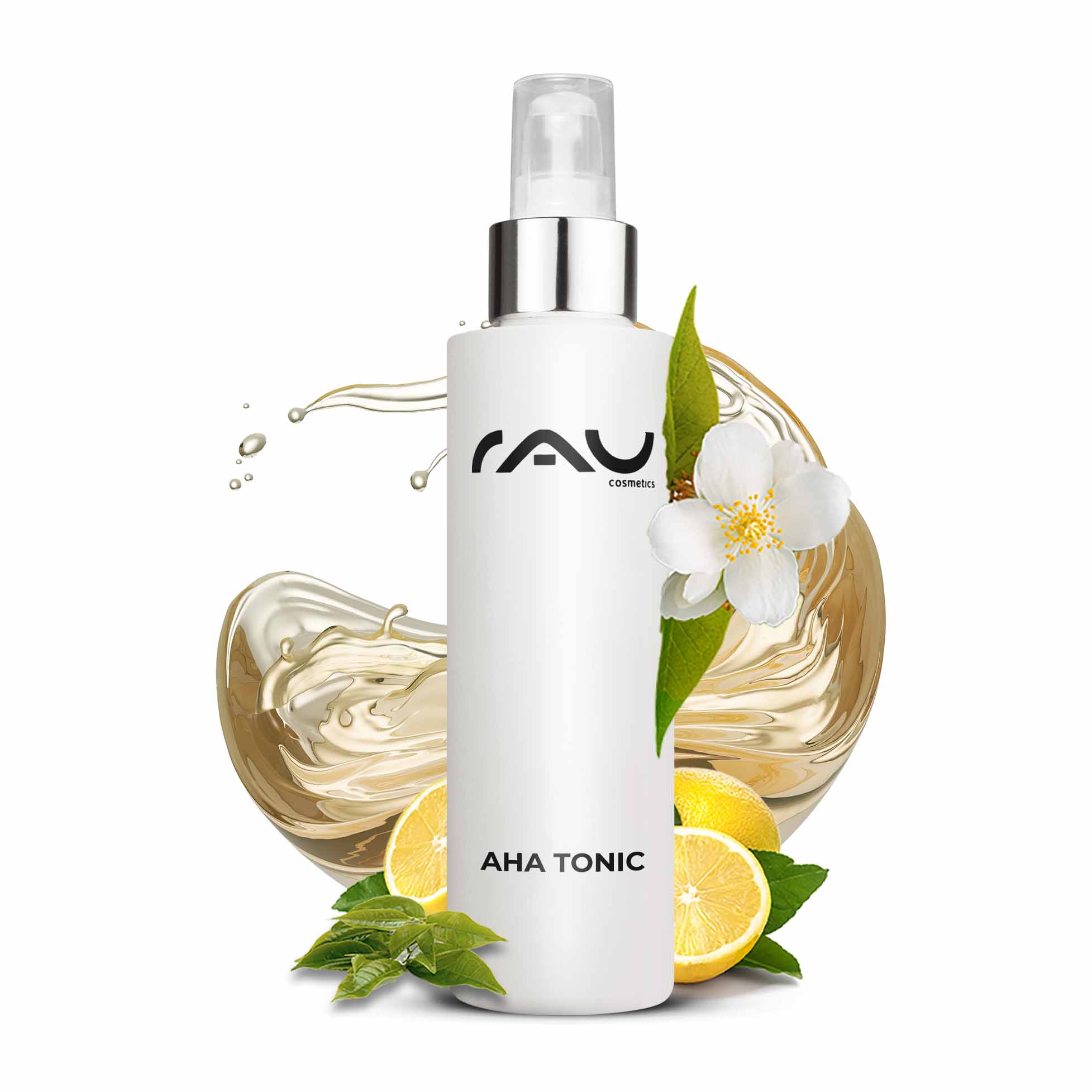
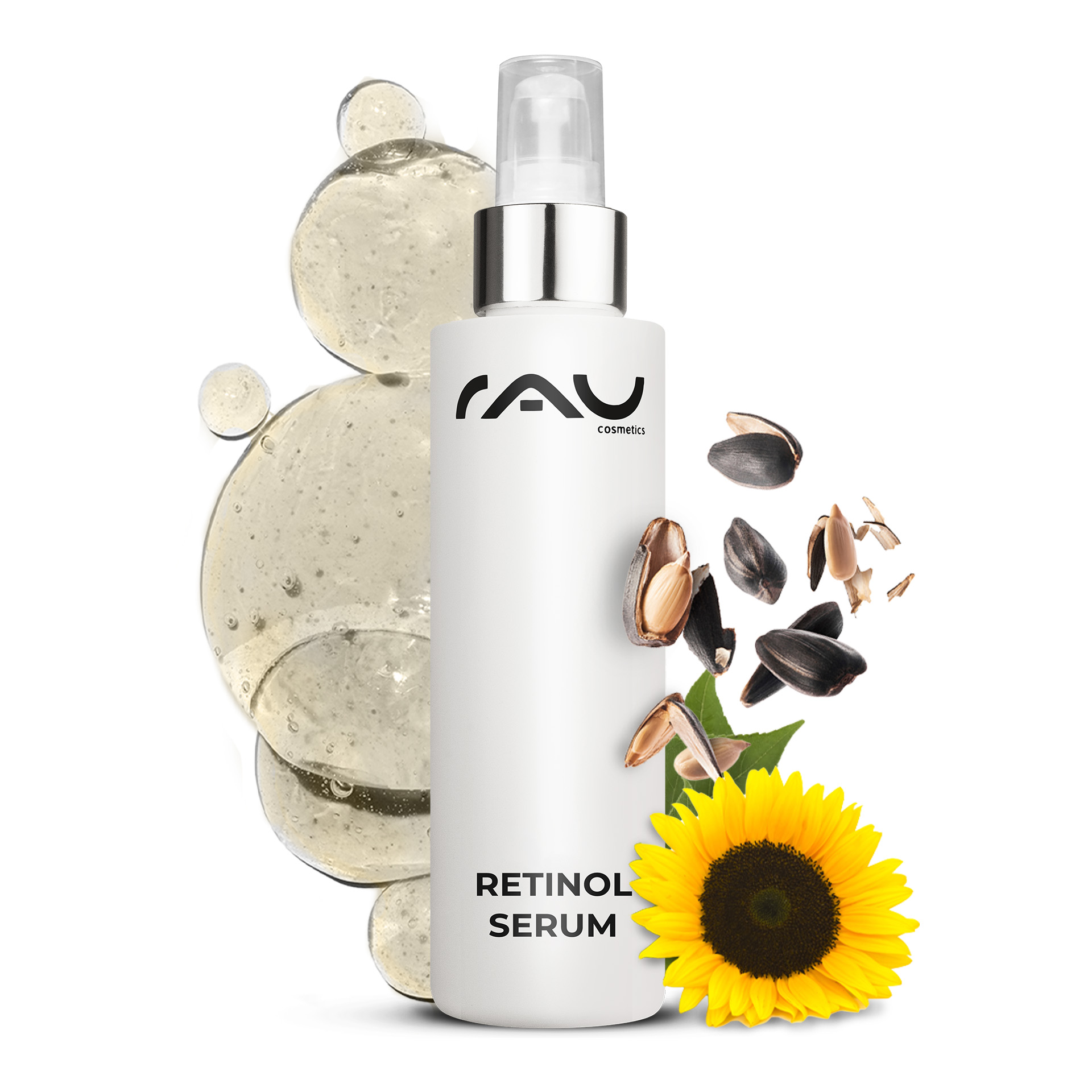
- A day cream that suits your skin's needs: for sensitive or redness-prone skin, the Bakuchiol Sensitive Day Cream is often a good fit. If you'd like a toner with mild fruit acids to prep your skin, try the AHA Tonic. For a clear anti-ageing focus, the Retinol Serum can also be a good building block.
Not sure which skin type you actually have? Our skin type finder asks you a few quick questions and gives you a recommendation that suits your current skin's needs.
FAQ — Frequently asked questions about INCI
From what concentration does an ingredient have to appear on the INCI list?
All ingredients must be declared, regardless of quantity. Up to a concentration of 1 %, manufacturers can list them in any order; above that, they must be listed strictly in descending order of quantity.
Does a shorter INCI automatically mean a better product?
No. A short list can be very well formulated, and so can a long one. What matters isn't the length but the function of the ingredients — and whether they suit your skin.
How can I tell if a product is vegan from its INCI?
Clear giveaways are ingredients like Beeswax, Lanolin, Honey or Carmine (a red pigment derived from insects). If these are absent, a vegan formulation is likely. However, the term "vegan" isn't a legally protected label — a vegan certification provides additional certainty.
Are "natural cosmetics" and "clean beauty" the same thing?
No. Natural cosmetics refers to products that follow certified standards (such as NATRUE or COSMOS). "Clean beauty" isn't a protected term. Either way, it's worth checking the INCI to see what's actually inside.
Are INCI-scanning apps worth using?
They can be a good starting point, but they don't replace your own understanding. Apps often rate ingredients in very black-and-white terms — many ingredients that sound concerning are perfectly safe at low concentrations, while others with a "green" score can still irritate. Use apps as a tool, not a verdict.
Can ingredients interfere with each other?
Yes, some active ingredient combinations work better when used at different times. Retinol and fruit acids, for example, are best not used together on the same evening. Niacinamide, on the other hand, is a friendly combination partner for most active ingredients. Read more about sequencing in our acids comparison.
Note: skincare works individually — the ingredients described here can help support the appearance of your skin. For specific skin concerns, persistent issues or very sensitive/reactive skin, we recommend consulting a dermatologist.