In short: A day cream with SPF 10 or 15 is enough for brief spells in the shade or on overcast days — but not much more. As soon as you're outside for longer, use retinol or fruit acids, or your skin is prone to pigmentation spots, you need a dedicated sunscreen with at least SPF 30.
Many day creams now advertise a sun protection factor — anywhere from SPF 6 to SPF 10 to SPF 15. It sounds practical: one less step in your routine, quickly applied in the morning, done. But does that really cover you for everyday life? Or do you still need a separate sunscreen?
In this article you'll learn when SPF in a day cream is enough, when it isn't — and how to build your routine so your skin is genuinely protected.
What SPF in Your Day Cream Really Does — and What It Doesn't
The sun protection factor (SPF) indicates how long you can theoretically stay in the sun with sunscreen on before your skin burns. SPF 10 means: ten times longer than without protection. With a natural protection time of 15 minutes, that works out to 150 minutes — under laboratory conditions.
In reality, it looks different. Why? Because in tests, 2 milligrams of sunscreen are applied per square centimetre of skin — in everyday life, with a day cream we often only manage a quarter of that amount. This significantly reduces the real-world protection.
On top of that, UV radiation doesn't only reach your skin at the beach. In the city, while shopping, commuting to the office or sitting by a window, you're exposed to UV-A. And it's exactly this portion of radiation that can be responsible for pigmentation spots, loss of elasticity and premature skin ageing over the long term.
So a day cream with SPF 10 or 15 isn't full sun protection for a beach day — it's basic protection for everyday life when you're mostly indoors.
When Is a Day Cream with SPF Enough — and When Isn't It?
The honest answer: it depends on what your day looks like. Here's a simple guide:
SPF in your day cream can be enough if:
- you work mostly indoors and are only outside briefly (max. 15–20 minutes)
- the day is overcast or hazy and you're not in direct sun
- your skin isn't light-sensitive and shows no pigmentation spots
- you use neither retinol nor fruit acids in your routine
- anti-ageing prevention isn't a priority for you
A dedicated sunscreen (SPF 30 or more) is better if:
- you're outside for more than 30 minutes at a stretch (commuting, a walk, lunch break outdoors)
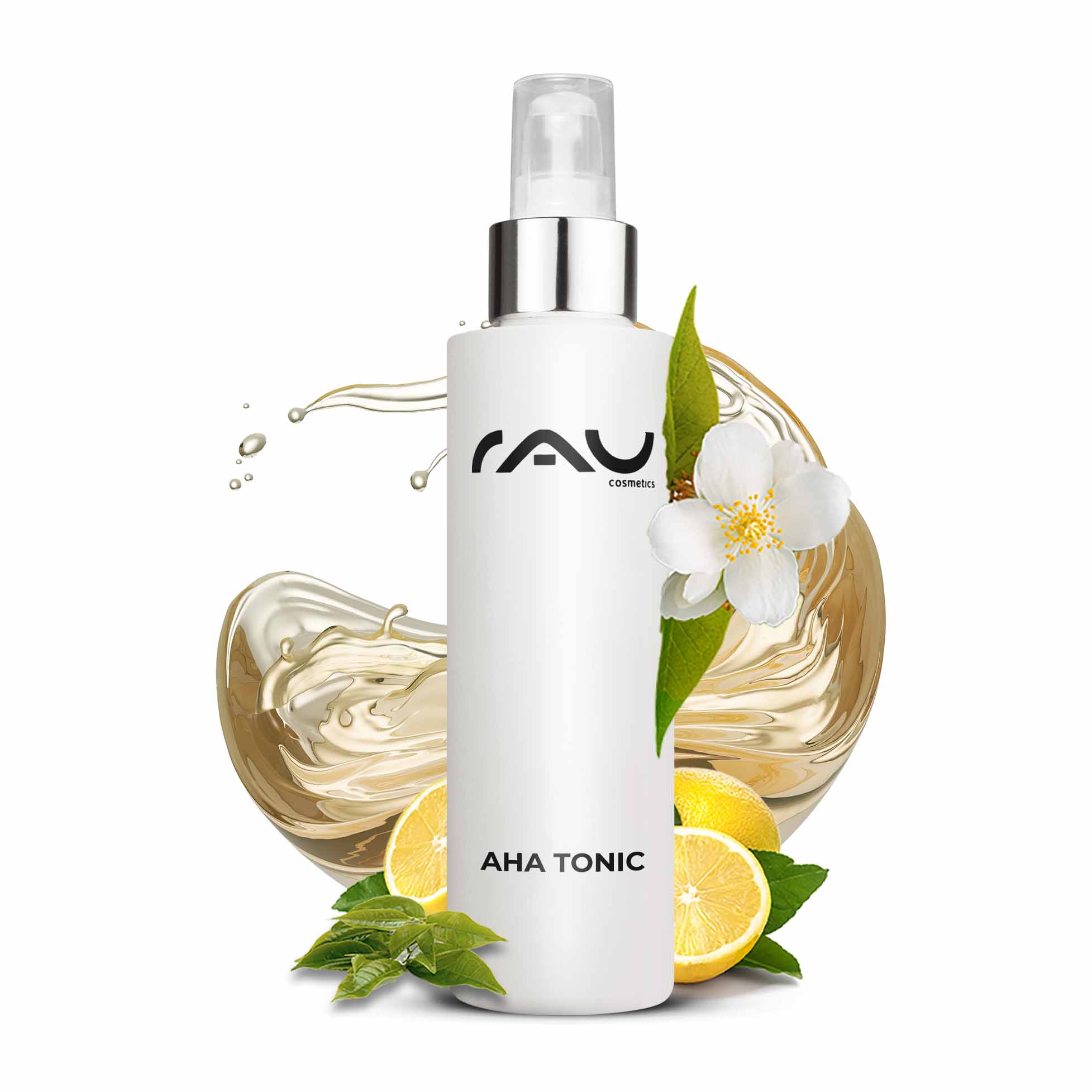
- you use retinol, bakuchiol or fruit acids (AHA/BHA) — these active ingredients can make the skin more light-sensitive
- you're prone to pigmentation spots or melasma
- you have couperose, rosacea or sun-sensitive skin
- you actively practise anti-ageing care — UV radiation is considered one of the key factors in premature skin ageing
- you're out and about in summer, on holiday, by the water or in the mountains
Our Hyaluron Cream SPF10, for example, is designed exactly for the first case: a day cream with hyaluronic acid and SPF 10 that cares for your skin day-to-day and provides basic protection. For beach days, retinol routines or long stretches outdoors, we additionally recommend our Sunscreen SPF 50 with Organic Karanja Oil.
SPF 10, 15, 30 or 50 — What Do the Numbers Really Mean?
The difference between SPF values isn't linear, which surprises many people:
- SPF 10 filters around 90 percent of UV-B radiation
- SPF 15 filters around 93 percent
- SPF 30 filters around 97 percent
- SPF 50 filters around 98 percent
So between SPF 15 and SPF 30, there's "only" a 4-percentage-point difference — but that corresponds to halving the UV radiation that still reaches your skin. This difference is especially noticeable for sensitive or mature skin.
It's also important to know: SPF figures primarily refer to UV-B (sunburn). For protection against UV-A — the portion that encourages skin ageing and pigmentation spots — you also need the UVA seal on the packaging. In Europe, this seal has been standard on SPF products since 2007, when UVA protection reaches at least a third of the stated SPF value.
How to Build Sun Protection into Your Routine
A smart routine combines nourishing active ingredients in the morning with reliable protection — without the individual layers interfering with each other. Here's a structure that works well in practice:
1. Cleansing — in the morning, lukewarm water or a mild toner is often enough to refresh your skin.
2. Serum with moisture or antioxidants — for example our Hyaluronic Plump & Glow Serum or the Golden Hyaluron Gel. Moisture prepares your skin for the layers that follow.
3. Day cream — either a day cream with built-in SPF (for indoor days) or a nourishing day cream like the Bakuchiol Sensitive Day Cream, followed by a dedicated sunscreen.
4. Sunscreen (if needed) — if you're outside for longer or use active ingredients like retinol, apply a dedicated SPF on top of your day cream now. You'll find a detailed guide to applying products in the right order in our Skincare Layering Guide.
A common misconception: if you apply a day cream with SPF 15 and a foundation with SPF 15, the values don't add up. You end up with the higher of the two — not SPF 30. SPF values are never summed.
Retinol, Bakuchiol and Acids — Why Sun Protection Is Non-Negotiable Here
If you incorporate certain active ingredients into your routine, sun protection becomes especially important. These include above all:
- Retinol and retinoids — can temporarily make skin more light-sensitive while skin cells renew themselves
- Bakuchiol — the plant-based alternative to retinol, gentler in effect, but daytime sun protection still makes sense here too
- Fruit acids (AHA, glycolic acid, mandelic acid) — gently dissolve the top layer of skin, exposing new skin that should be protected particularly well
- Vitamin C — works synergistically with sun protection but doesn't replace it
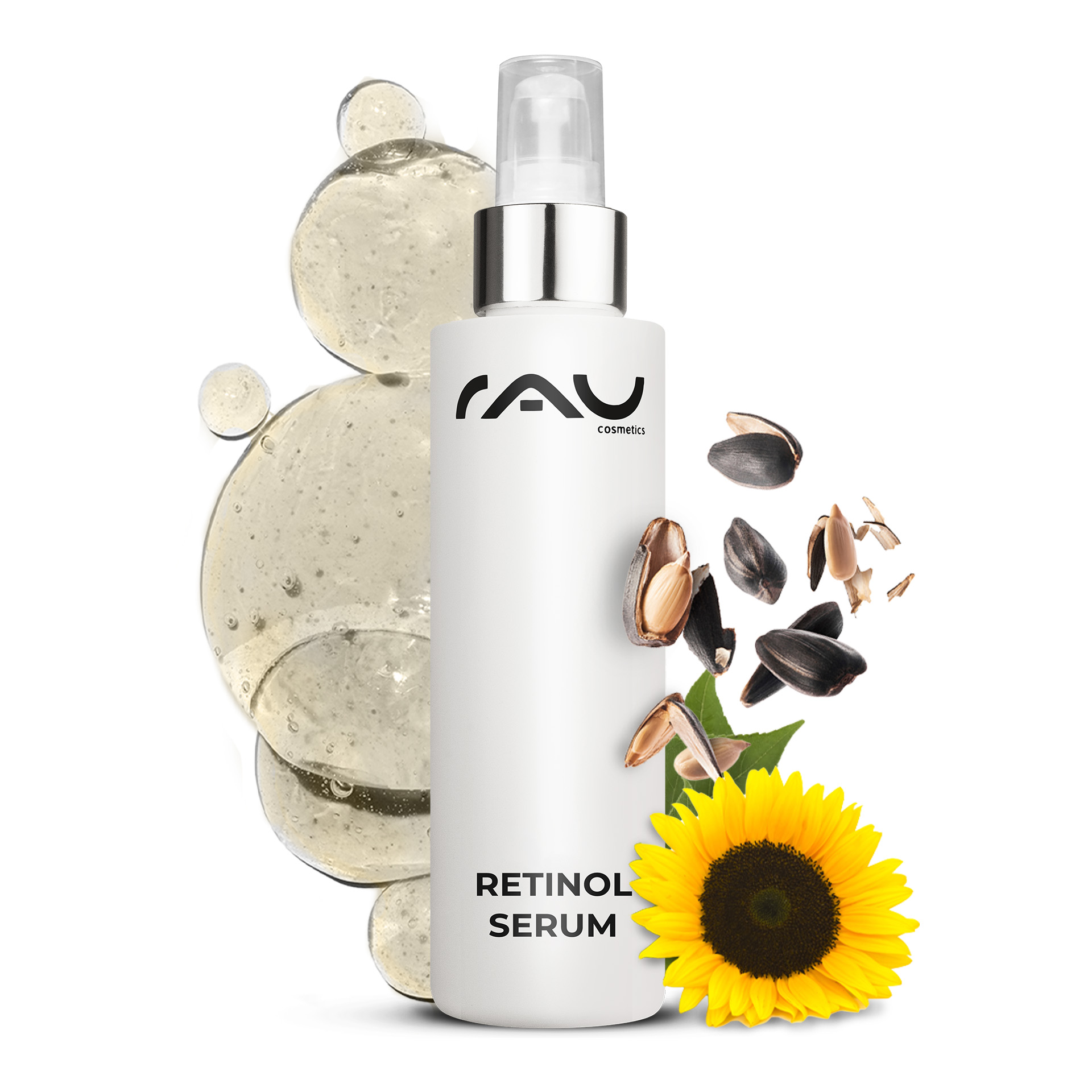
We always recommend applying our Retinol Serum in the evening only — in the morning, pair your routine with a reliable SPF. You can read more about using retinol correctly in our Retinol Guide.
Niacinamide also pairs excellently with sun protection — with regular use, it can help the complexion appear more even and supports the skin barrier.
The Most Common Mistakes with SPF in Day Cream
Even with the best day cream, sun protection can go wrong if you make these typical mistakes:
Mistake 1: Applying too little cream. For your face, you need about half a finger-length of cream — significantly more than most people think. Less means less protection.
Mistake 2: Not reapplying. SPF doesn't last all day. After four to five hours, or after sweating or blotting your face, protection is significantly reduced. For everyday use, there are practical sunscreen sticks or sprays for topping up.
Mistake 3: Only thinking about summer. UV-A reaches you all year round — even in winter, even through window glass. If you want consistent protection, wear SPF year-round.
Mistake 4: Forgetting neck and décolletage. These areas often visibly age faster than the face because they're regularly skipped when applying sun protection. Always extend your cream down to under your collar.
Mistake 5: Mistaking a blue sky for a "safety indicator". Even under overcast skies, up to 80 percent of UV radiation still gets through. Grey doesn't mean safe.
Not sure which sunscreen suits your skin type? Our Skin Type Finder guides you to the right routine in just a few questions. And if you want to dive deeper into the differences between UV filters, we recommend our article Mineral vs. Chemical Sunscreen.
Frequently Asked Questions
Our Conclusion
SPF in a day cream is a practical solution for everyday days when you're mostly indoors. As soon as you're outside for longer, use active ingredients like retinol or fruit acids, or actively practise anti-ageing care, a dedicated sunscreen with at least SPF 30 is the better choice.
By the way, the best sunscreen is always the one you actually apply regularly. If a day cream with SPF 10 means you apply any protection at all in the morning, that's already a big step. When you're ready for the next step, supplement it on relevant days with stronger protection — for example our Sunscreen SPF 50.
And if you'd like to go even deeper into which SPF suits your skin type, read our Sunscreen Guide. We show you how to build a complete morning routine in our Morning Routine Guide for Mature Skin.
Note: Results can vary from person to person. Regular application, sufficient amount and reapplication are essential for reliable UV protection.